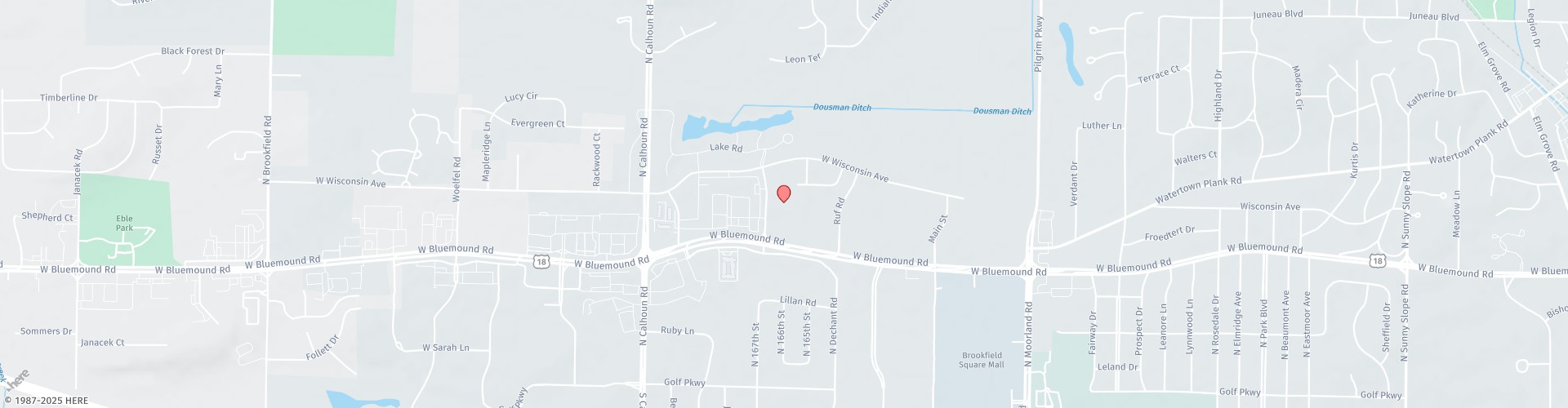
 January brings renewed attention to glaucoma thanks to Glaucoma Awareness Month. This common condition can quietly damage vision long before changes are noticeable. At Milwaukee Eye Surgeons in Brookfield, WI, Dr. Kenneth Weinlander provides comprehensive evaluations and personalized glaucoma care for patients across Southeast Wisconsin, including Waukesha and Menomonee Falls. Understanding what places someone at higher risk can make a meaningful difference in long-term eye health.
Glaucoma Is More Widespread Than Many Think
Recent population studies show that glaucoma diagnoses continue to rise, particularly as the country’s aging population grows. This trend highlights the need for routine exams, since glaucoma often develops slowly and without warning signs.
Key Factors That Can Raise Your Risk
Although anyone can develop glaucoma, several factors can make it more likely. These influences often interact, making screenings even more important:
- Age-related changes. The likelihood of glaucoma increases steadily over time, and older adults are more vulnerable to progressive optic nerve damage.
- Family connections. Individuals with close relatives who have glaucoma face a much higher chance of developing it themselves. For example, if your sibling has glaucoma, you’re almost 10 times more likely to develop it yourself.
- Ancestry. People of African, Hispanic/Latino, or Asian descent may be predisposed to certain glaucoma types.
- Eye pressure concerns. Elevated intraocular pressure remains one of the most significant contributors to optic nerve injury. It’s one of the first things eye doctors check when screening for glaucoma.
- Health conditions. Diabetes, high blood pressure, circulatory issues, and long-term steroid use can interfere with the eye’s ability to regulate fluid and pressure.
- Past injuries. Trauma to the eye, even from years ago, can alter internal structures in ways that make glaucoma more likely.
- Corneal thickness and anatomy. Thin corneas or narrow drainage angles can affect the flow of fluid through the eye.
Why Early Exams Matter
Although glaucoma can’t be reversed once nerve tissue is lost, early intervention can significantly slow progression. During a comprehensive exam, we assess eye pressure, evaluate the optic nerve, and use imaging technology to identify subtle changes that may signal early disease.
At Milwaukee Eye Surgeons, our Brookfield office is equipped with advanced diagnostic systems that enable precise long-term monitoring. When appropriate, Dr. Weinlander offers laser procedures and minimally invasive glaucoma surgery (MIGS) designed to lower eye pressure and help protect long-term vision.
Protect Your Sight in Southeast Wisconsin
If you have one or more risk factors or if it’s been more than a year since your last comprehensive exam, scheduling an appointment is an important step in maintaining your vision. We proudly care for patients throughout Brookfield, Waukesha, and Menomonee Falls.
To book your visit at Milwaukee Eye Surgeons, call 414-377-5550.